Questions

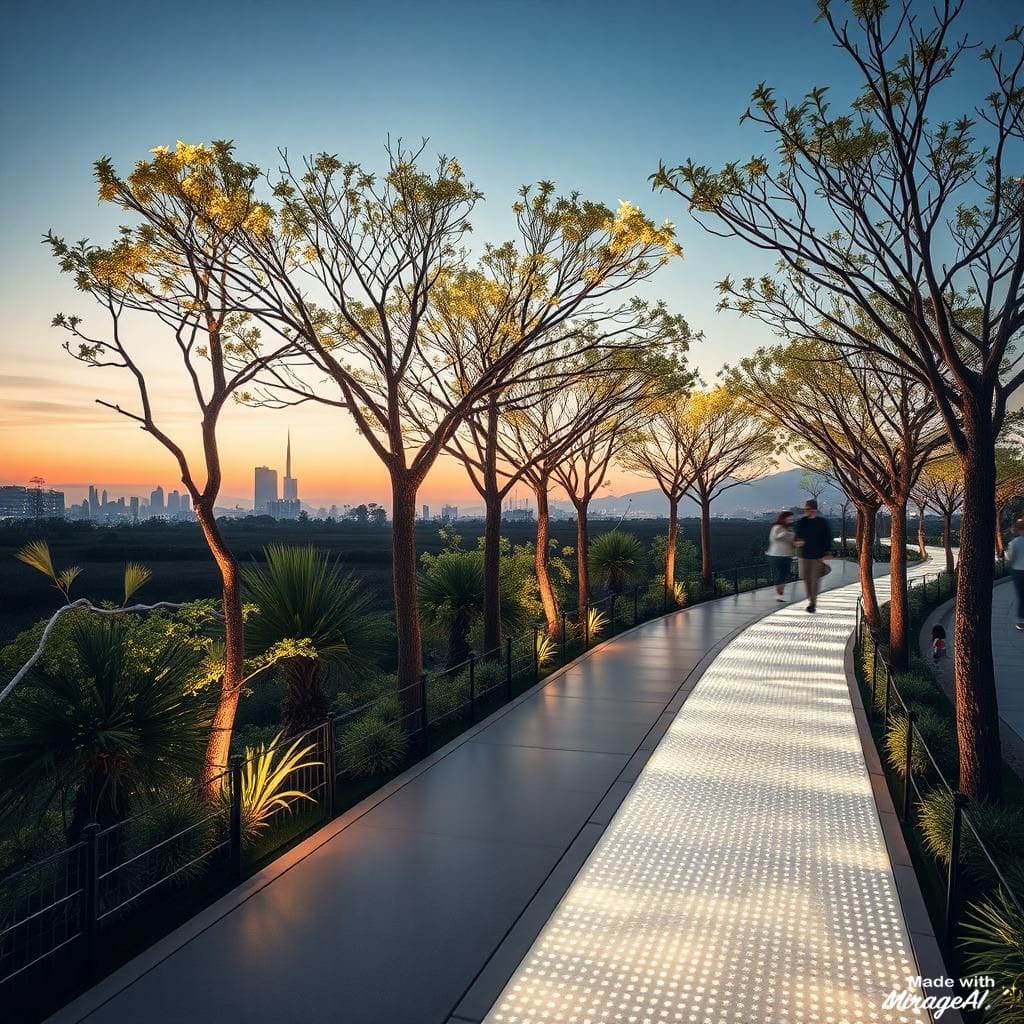
It had been two years since the artificial trees—designed to capture carbon and illuminate pathways while generating electricity from foot traffic—were tested and running efficiently worldwide.
A new system of water purification had made access to potable water safer and easier. At the same time, soil rehabilitation programs began restoring land damaged by decades of overproduction.
Legislation now required every building to include a percentage of green roofing, reducing urban heat. Together, these measures became known as the AVTR Project: less carbon in the air, broader access to clean water, lower temperatures in cities, and healthier soil.
The new cities were also designed around pedestrians and bicycles. Nearly all fast-moving electric vehicles were moved underground.
“The problem with electric vehicles,” someone once told me, “is where the energy comes from. If the source isn’t clean, then you’re just fixing one problem by creating another.”
The scientist stood at the front of a classroom filled with children, explaining how advances in technology had not only allowed humanity to reach the two-degree goal—but to begin reversing the damage of global warming.