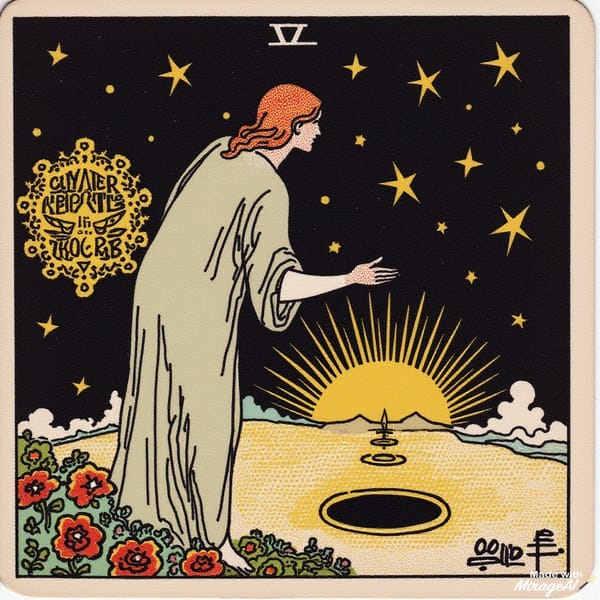
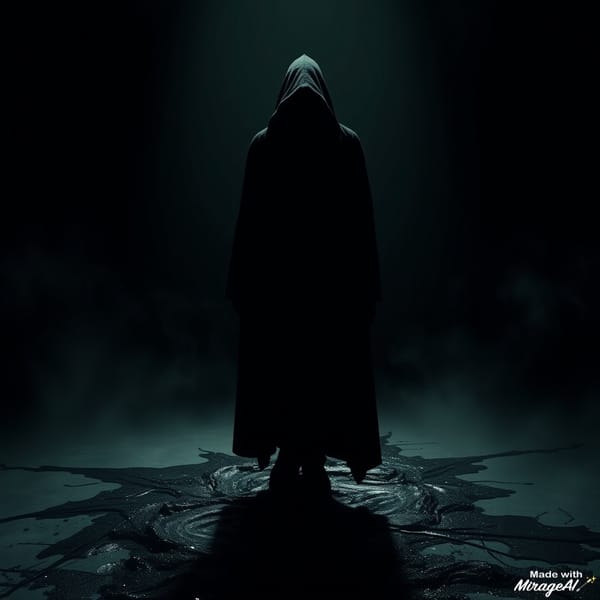
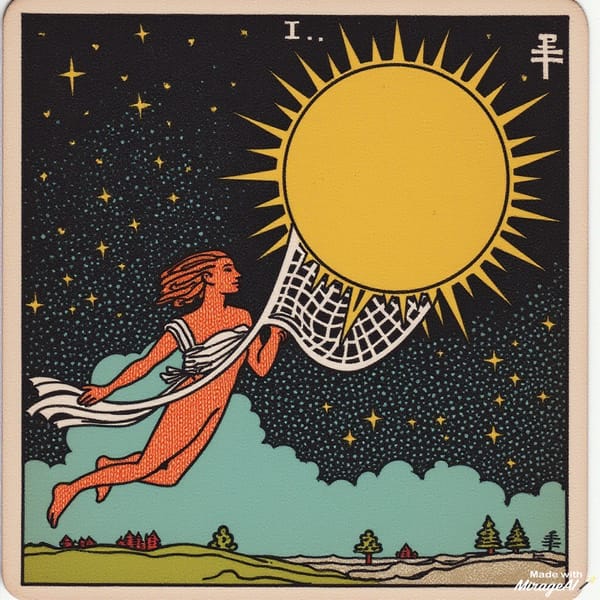
Far way storms.

“Dude, come to the window—he’s back, doing his thing,” J said, pointing at the homeless man across the street.
The man dragged a box closer to a mailbox. Stepping onto it, he struck the mailbox a few times with a broken stick mended with tape.
Then, straight-backed and arms spread wide, he began conducting an imaginary symphony.
With dirt smeared on his face, a long black coat, and only one glove left, the man moved like he knew exactly what he was doing—keeping tempo, cueing instruments, shaping the rhythm. At the end, after holding the stick aloft through a final, dramatic crescendo, he bowed to an imaginary standing ovation.
“What do you think he’s doing, J?” K asked.
“No idea, but it seems important. Maybe in a past life he was a conductor, you know? Suit and all,” J said.
Before their shift ended, rain started to fall.
“Dude, look—he always gets so mad when it rains,” J said.
“Of course. He doesn’t have a house,” K replied.
“No, it’s different this time. Look—he’s not looking for shelter. He’s just yelling at the clouds,” J said, pretending to clean the window.
The coffee line got long, and they forgot about him.
Hours later, near closing time, they looked again. The man was still there, still conducting.
“You sure you’re good to close, J?” K asked.
“All the cleaning’s done. I’m taking a couple donuts home. Just need to mop and lock up.”
“Yeah, I got it,” J said, still wiping the glass.
For a brief moment, J thought he could hear the music.
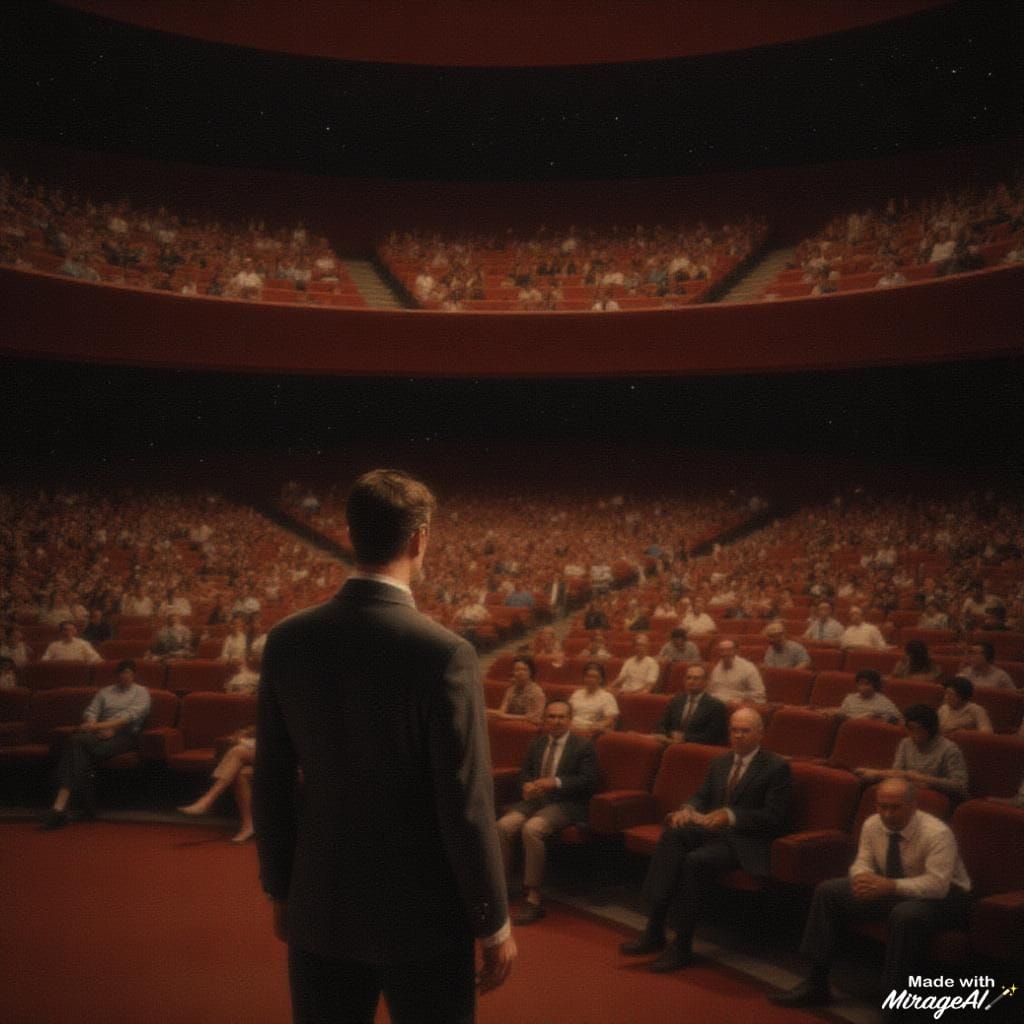
He saw a theater full of people. The man stood clean-cut in a new suit, back to the audience.
The man bowed—and J snapped back to reality.
Without thinking, J ran outside, forgetting to mop or lock up. The man picked up his box and started walking away, muttering angrily.
J followed—close, but not too close—trying to catch the words. All he heard was the low rumble of a deep voice.
The man glanced back.
J ducked behind a wall—at least, he thought he did.
When he peeked out, the man was staring right at him.
The man grabbed J by the shirt with his bare hand and slammed him against the wall.
“It’s you kids—the ones always watching from the window! What do you want?” he shouted.
“I—I was just curious,” J blurted out. “I wanted to know your story. What you do all day, why you get so mad at the rain, and what you were before you were… uh… this.”
He stopped to catch his breath.
The man slowly let him go.
“You want a story, boy?” he said, his voice low and rough. “Then listen to the wind. There’s a war going on, and you don’t even know it.”
“A war?” J asked.
“A war,” the man said. “And I’m the only one left protecting this miserable place. I’m old, and no one gives a damn anymore.”
He didn’t look that old—but maybe J didn’t know what old really meant.
“Who’s fighting this war?” J asked.
“Everyone,” the man said. “Most of them just don’t know it.”
“How do you fight it?” J asked. “How do you protect this place?”
“I conduct the storms,” the man said. “I build them up and send them to the other side of the world—where the enemy is. And I soften the ones they send back.”
“That’s what you’re doing on the box?” J asked.
The man nodded.
“My father was a musician. Violin—third chair. He used to take me to rehearsals. I’d come home and move just like the conductor.”
He lit a cigarette.
“Who’s attacking us?” J asked.
The man exhaled smoke and looked at him.
“A man like me.”